Moving a car is one of those tasks that looks simple from the curb and gets complex the moment you start calling carriers. Phoenix adds its own variables. The Valley’s heat is hard on batteries and tires. Monsoon bursts can drench a truck in mud between Buckeye and Gila Bend with one ill-timed storm cell. Snowbirds flood schedules every fall, then again in spring when they head home. If you prepare your vehicle with those realities in mind, shipping becomes routine rather than stressful.
I’ve helped customers ship everything from high-mileage daily drivers to wrapped exotics, and I’ve learned that the difference between a smooth handoff and a headache is a well-prepped car and realistic expectations. This guide walks through what to do, why it matters, and where Phoenix-specific details change the playbook.
What you are actually buying when you book Phoenix auto shipping
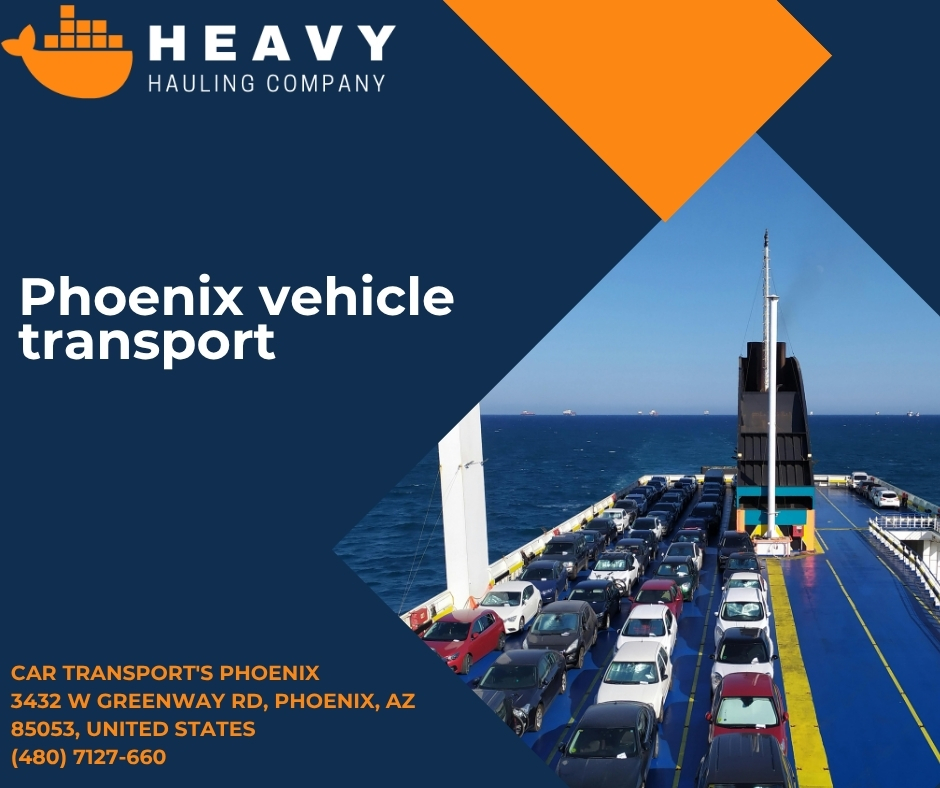
Phoenix car shipping usually means your vehicle rides on an open or enclosed carrier booked through a broker or directly with a trucking company. Open transport is the industry standard. It’s the long two-deck trailer you see along I-10 and Loop 202, often carrying eight to ten vehicles. Enclosed trailers are box-style, usually with lift gates and soft straps, and they carry fewer cars at a higher price. In Phoenix, enclosed bookings spike for luxury and collector cars during Barrett-Jackson season, so lead time matters if you want one.
Most moves are door to door in populated areas. In practice, “door” in Phoenix often means a nearby wide street, shopping center lot, or truck-friendly corner. Many Phoenix neighborhoods have narrow cul-de-sacs, HOA restrictions, or overhanging trees that make it tough for a 75-foot rig. Professional drivers know the drill and will ask you to meet in a nearby open spot if access is tight.
Why this matters: setting expectations up front prevents last-minute scrambles in 110-degree heat. If you plan a meet spot with shade, a restroom, and room to maneuver, the handoff takes minutes rather than an hour of phone tags and U-turns.
Timing is a real lever, not an afterthought
Phoenix is a large, high-demand market, but demand swells and shrinks in predictable waves. Rates and pickup windows follow those waves. Fall and early winter bring snowbirds arriving, spring brings them departing, and January auctions pull in high-dollar loads. If your dates fall in those windows, plan accordingly. Booking seven to ten days ahead is typical for standard routes. For enclosed carriers or remote pickups like Wickenburg or Apache Junction outskirts, two to three weeks is safer.
Transit time depends on distance and routing more than anything. A Phoenix to Los Angeles lane can be next day or two depending on dispatch timing. Phoenix to Dallas often runs three to four days. Phoenix to the Midwest or East Coast is commonly 5 to 10 days with weather, driver hours-of-service rules, and terminal swaps layered in. Pad your timeline if your receiving party has limited availability. It is easier to call with good news that the car arrived early than to explain a weather delay in New Mexico.
Choosing between open and enclosed in the Sonoran Desert
Open transport is cost-effective and perfectly suitable for the vast majority of cars. The risk profile is the same as daily driving, with exposure to dust, rain, and small road debris. In Phoenix, dust is not theoretical. Summer haboobs can drop a layer of grit in minutes. If your car has a soft paint finish, fresh ceramic coat, or a vinyl wrap, enclosed transport cuts down on risk. Enclosed also helps with low ground clearance, since lift gates mean no steep angles.
If you go open, be ready for a wash at delivery. That’s not damage, just reality. If you go enclosed, expect to pay 30 to 70 percent more, depending on season and availability. Owners of show cars sometimes add temporary paint protection film on leading edges before transport as a middle-ground option. A clear, removable wrap on the nose and mirrors can help if you are budget-conscious but want a bit more protection on an open trailer.
The pre-ship checklist you should actually use
Think of preparation in three layers: mechanical basics, cleanliness and documentation, and handoff logistics. Each has a role in keeping your vehicle safe and your claim rights intact.
- Mechanical readiness essentials: Fuel at a quarter tank. Under federal hazmat rules and for weight distribution, carriers prefer low fuel. A quarter gives the driver enough to load, unload, or reposition the car without risking a stall. Tire pressure set to factory spec. Phoenix heat pushes PSI upward. Correct cold pressure prevents overinflation expansion on the deck and cuts the chance of flat spots if your car sits for several days. Battery charged and terminals tight. The Valley’s heat ages batteries fast. If your car is three or more years into a battery, test it. Dead batteries slow the whole load and increase risk during loading. No active fluid leaks. Even minor drips can lead to a car being refused, since whatever drips onto your carrier’s deck lands on a vehicle below. Ground clearance check. Anything under 4 inches needs special handling. Alert your dispatcher. A simple 2-by-6 board solution is not safe at a truck scale. Enclosed with a lift gate or a low-angle ramp is the better path. Documentation and handoff prep: Clean the exterior and vacuum the cabin. Dirt hides dings. A clean car lets you and the driver mark any pre-existing blemishes accurately. Photograph everything. Walk around the car in daylight, taking clear shots at each corner and straight on, plus close-ups of previous scratches, curb rash, and windshield chips. Photograph the odometer and the roof. Remove personal items. Carriers are not licensed to ship household goods. A few factory accessories and manuals are fine, but bags, electronics, tools, and sports gear invite theft and complicate claims. Secure aftermarket parts. Retract antennas, remove roof racks if easily detachable, and fold mirrors. If you have a splitter or diffuser, note fasteners and consider temporary removal. Provide one working key. If you have a push-button start, ensure the fob battery is fresh. A dead fob can strand a driver on a narrow ramp.
The order matters. Fix leaks before you wash, so you can confirm the issue is truly resolved. Photograph after cleaning, not before. Pack personal items out the day prior so you are not sweating through a mid-day scramble when the driver arrives early.
Paperwork you will see and what it protects
The core document is the bill of lading, often called the BOL. It is both the contract of carriage and the condition report. At pickup, you and the driver walk the car, mark condition on a digital or paper form, and both sign. At delivery, you repeat the process and note any changes. If there is new damage, you write it on the BOL before signing and take photos on the spot. The driver’s copy and your copy should match.
Cargo insurance is carried by the motor carrier, not the broker. Verify the carrier’s insurance certificate before pickup. A professional broker will share the certificate of insurance on request. Policies are often $250,000 to $1,000,000 per load for cargo, which covers the entire trailer’s contents, not per car. Deductibles and exclusions apply. Personal contents in the vehicle are almost always excluded, which is one more reason to empty the trunk.
If you have a lender or leasing company, check that you are allowed to ship out of state and whether any special notice is required. Most lenders do not care as long as payments are current and the car remains insured. If you are moving a vehicle to or from a military base, additional gate paperwork may be required. Coordinate gate passes in advance. Nothing Phoenix car transport slows a driver’s day like a guard shack surprise.
Phoenix-specific realities that can make or break a pickup
Heat shapes everything here. During June through September, plan pickup windows in the morning or evening when possible. Tires sitting on hot asphalt can add 3 to 5 PSI above morning readings. Loading a car with already hot tires onto metal ramps increases the chance of slip if the driver is fighting sun glare and sweat. A calm morning handoff is safer and faster.
Monsoon season adds wind and sudden downpours that plaster dust to surfaces. If a storm hits near your pickup time, a light rinse afterward helps the inspection. The point of inspection is seeing whether a scratch is new or old. Mud makes that guesswork. If the driver is running to beat a storm cell out toward Tonopah, a quick text exchange to adjust by an hour is worth it.
HOA rules frequently prohibit commercial truck parking on residential streets. A carrier pausing for 20 minutes can trigger a violation or an awkward conversation with a guard. Pre-select a nearby wide lot. The lot outside a grocery store or a big-box home supply store usually works. Tell the driver the exact entrance and whether there is a median, and share a dropped pin. Most drivers plan their route the night prior and appreciate details more than anything.
What not to leave in the car, even if you’re tempted
I’ve had clients try to tuck a set of golf clubs under a blanket because it felt harmless. It is not. Anything not bolted down adds weight and risk. A driver cannot insure it. In the event of a sudden stop, loose items become projectiles. Summer heat inside a sealed car can hit 140 degrees. Aerosol cans, certain battery packs, and bottled cleaners can burst. If you must ship a child seat or a factory accessory, strap it in and note it with the driver. Keep it reasonable and you will usually be fine, but do not push it.
Garage door openers and toll tags deserve special mention. Remove both. Toll transponders sometimes register through the trailer on certain highways, leaving you to dispute charges. Garage openers tossed in a console invite an easy grab if the car sits overnight at a terminal.
Fuel, fluids, and that tiny engine light you ignored
A quarter tank is the sweet spot. Full tanks add weight and fill a jostling slosh that drivers dislike when they are aiming for balance across axles. Nearly empty invites awkward gas runs that waste time. If your fuel gauge is unreliable, tell the driver how far it actually goes from the light to a stall. Honesty saves everyone a headache.
Fluids should be topped and clean, but timing matters if your car is about to be loaded on a high deck. Overfilled oil can cause foaming and blow-by during tilt angles. Aim for factory spec, not beyond. Coolant systems in Phoenix are under constant stress. A tired radiator cap can let a system bleed under heat even without a visible leak. If your car is older and headed into or out of Phoenix’s summer, spend the $10 and put a fresh cap on it.
As for warning lights, a check engine light does not disqualify a car. It does, however, change how a driver treats loading. If your car has a rough idle or cuts power, avoid a rush. Alert the dispatcher. Non-runners require specialized winch loading and different pricing. If a car runs but poorly, be candid so the driver plans extra time.
Final-mile success at drop-off
Delivery mirrors pickup. Expect a window rather than a precise appointment because drivers navigate weight stations, hours-of-service limits, and traffic. If your receiving party is a family member or a building concierge, make sure they know how to start the car, how to release the parking brake, and where the tow hook is if needed. A surprised cousin in a tight downtown garage without that knowledge can turn a ten-minute unload into a half-day story you will not enjoy.
Inspect in good light, clean off obvious dust, and compare to your pickup photos. Minor grime is normal. Focus on new damage, not cosmetic dirt. Note anything on the bill of lading immediately. If an issue exists, cooperate with the carrier on next steps. Good carriers want to resolve legitimate claims quickly. Your documentation and calm tone get you there faster.

Why professional drivers care about how you prep
People assume drivers are indifferent. The opposite is usually true. A well-prepped car loads fast, rides safe, and keeps a schedule tight. Schedules control pay and sleep. A drained battery on a second-story front position can cost a driver an hour in Phoenix sun. A slow leak that drips on a BMW below can cost them a relationship with a dealership client. If you present a clean, documented, mechanically sound car, drivers will remember and often prioritize you next time.
Pricing reality: what moves your quote up or down
Quotes for Phoenix auto transport float with fuel costs, supply and demand, and route efficiency. Phoenix to major hubs like Southern California, Dallas, and Denver generally sit at the lower end of national averages because carriers like those lanes. Phoenix to rural drop-offs or to the Northeast can run higher. Seasonal spikes around holidays and big auction weeks are real. Lead time shaves cost because brokers can wait for the right truck rather than grabbing the first slot available.
Weight and size matter too. Full-size trucks, long-wheelbase SUVs, and lifted rigs command higher rates and may reduce carrier options. Modifications such as oversized tires or roof-mounted tents change profile height and loading angles. Measure your height including racks. A standard double-deck open trailer has clearance constraints. If your rig is over 7 feet, enclosed and single-deck options are more likely.
Security, tracking, and communication
Most modern carriers provide regular updates by text or through a broker’s portal. GPS tracking varies. Some brokers offer a link, others rely on driver check-ins. What always helps is a single point of contact with authority to make decisions. If three family members pick up the phone from different numbers, instructions get crossed, and small misunderstandings become missed windows. Share one phone number and an alternate, not five.
If you are shipping a high-value vehicle, discreet pickup is smarter than fanfare. Do not post real-time location photos on social media. Arrange insurance coverage overlap for a few days at both ends, and verify any special immobilizers are set in transport mode if your car has that feature. Vehicle makers like Tesla and BMW have modes that prevent air suspension from adjusting while strapped down. Ask your dealer if you are unsure.
Common pitfalls I have seen in Phoenix and how to avoid them
Owners sometimes underestimate how fast metal gets hot in July. A driver who touches a branding-hot buckle will handle the rest of the load with caution, which slows the process. Meet in shade when possible and bring a bottle of water for the driver. You are not bribing anyone, you are acknowledging human reality, and it pays off in care and pace.
Another recurring issue is expired temporary plates. If you are shipping a newly purchased car from a Phoenix dealer, confirm that the temporary tag is valid through transit. Some states along the route care, even on a transporter. If the buyer is out of state and the dealer relies on a third-party title service, get names and numbers. If a trooper stops the load in New Mexico over paperwork confusion, that delay ripples down the line.
Finally, gated communities can be a maze. Share gate codes ahead of time if the rig can enter. If it cannot, meet outside. I watched a driver lose half a day because a resident forgot that the exit gate closed on a timer. Thirty minutes of planning would have saved five hours of logistics and a tow to free the trailer.
Winter moves from Phoenix: no snow here, but weather still matters
Leaving Phoenix for colder climates introduces a detail many forget. Your car departs a warm, dry basin and arrives where roads may be salted. If the car rides open, consider a thorough undercarriage rinse at destination. Modern cars resist corrosion, but salt is relentless. If you store the car on arrival, let it dry fully before parking in a closed garage to avoid trapping moisture.
Winter also compresses daylight north and east of Arizona. Drivers like to load and unload in light for safety and documentation. Expect earlier cutoffs in the day and slightly wider windows if your drop sits far from interstates that are well lit.
Working with a broker versus a carrier in Phoenix
Brokers dominate the Phoenix market because they can fill a truck quickly and match your lane efficiently. A good broker knows which carriers favor Phoenix to Albuquerque or Phoenix to the Bay Area and who runs reliable weekly loops. The trade-off is one more party in the chain. If you prefer a direct relationship, be ready to call multiple carriers yourself and be flexible with timing.
What matters either way is vetting. Ask how long the company has operated, verify their motor carrier number, and check their insurance. Look for specific Phoenix references or reviews that mention neighborhoods you know, not generic praise. A company that can tell you a good meet spot near your address without pausing to look at a map probably services the area regularly.
Edge cases: classics, EVs, and tall trucks
Classic cars often have quirks: manual chokes, leaking master cylinders, clutches that are more wish than engagement. Enclosed transport with soft straps around tires, not the frame, prevents stress on old metal. Ask for a carrier experienced in non-synchro transmissions if you have a genuine vintage drivetrain. Share starting procedures in writing. A driver priming a carburetor wrong is not malicious, just uninformed.
Electric vehicles require charge management. Provide at least 30 percent state of charge at pickup. Some carriers ask for more. EVs use battery for door latches, parking pawls, and wake-up routines. Note how to enable transport or tow mode and where the manual release points are. If your EV has air suspension, lock it. If your charger travels with the car, secure it in the trunk and label it.
Lifted trucks and vans can exceed height and weight limits fast. Measure from ground to highest point, including antennas and light bars. Share curb weight if modified. If your wheels stick far outside the fenders, the driver needs to plan strap placement differently. Good communication prevents awkward surprises at midnight on a weigh station ramp.
A realistic day-of script
Here is how a well-run Phoenix pickup feels when all the prep pays off. The driver texts the night before with a two-hour window. You reply with a meet location in shade near a main road and a dropped pin. You arrive ten minutes early, car cleaned and emptied, photos in your phone. The driver walks the car with you, calls out a small chip on the windshield you already noted, and you both mark it. He loads smoothly, straps to tires, and checks mirrors and roof rails. You sign the bill of lading, keep your copy, and watch the trailer pull away. Total time: 25 minutes. You get an update the next afternoon that the truck is halfway to El Paso and ahead of schedule. At delivery, your contact meets in a mall lot, inspects in good light, signs, and drives off. You wash the car that weekend. No drama, no mysteries.
When something does go wrong
Transport involves weather, machines, and long distances. Even with perfect prep, damage can occur. If it does, take photos from several angles immediately at delivery, write the issue on the bill of lading, and notify your broker and the carrier the same day. Do not sign “clean” paperwork and hope to fight later. Provide a repair estimate from a reputable shop. Professional carriers process legitimate claims. Your documentation makes the difference between a smooth resolution and a stalemate.
Delays happen too. A breakdown on I-10 near Wilcox or a monsoon squall can push a delivery to the next day. The best move is early communication. Ask for updates every 24 hours if timing is tight, and have a Plan B receiver who can meet the truck if you cannot. Flexibility beats frustration when a driver is juggling federal hours-of-service rules.
Bringing it together for Phoenix vehicle shipping
Phoenix auto transport favors the prepared. The heat dictates tire and battery attention. Dust and sudden rain demand a disciplined photo record. Neighborhood design and HOA rules make meet spot planning a must. Your choice between open and enclosed reflects your car’s value, your tolerance for exposure, and your schedule.
If you treat the process like a handshake with a professional, not a black box, you will get better results. Share accurate details, prepare your vehicle to load quickly and safely, and set up a drop that respects a driver’s constraints. Whether you are relocating across the country or shipping a newly purchased car from a Phoenix dealership, those habits will turn Phoenix auto shipping from a chore into a reliable routine.
Finally, keep perspective. Thousands of vehicles move in and out of the Valley every week without incident. With a quarter tank of fuel, properly inflated tires, a charged battery, clean surfaces, and clear documentation, your car can be one of them. If your needs are specialized, like an EV on a tight timeline or a classic heading into auction season, plan a little earlier and communicate a little more. Phoenix car shipping runs smoothly when you meet the climate, the city’s quirks, and the driver halfway.
Contact Us:
Car Transport's Phoenix
3432 W Greenway Rd, Phoenix, AZ 85053, United States
Phone: (480) 7127-660